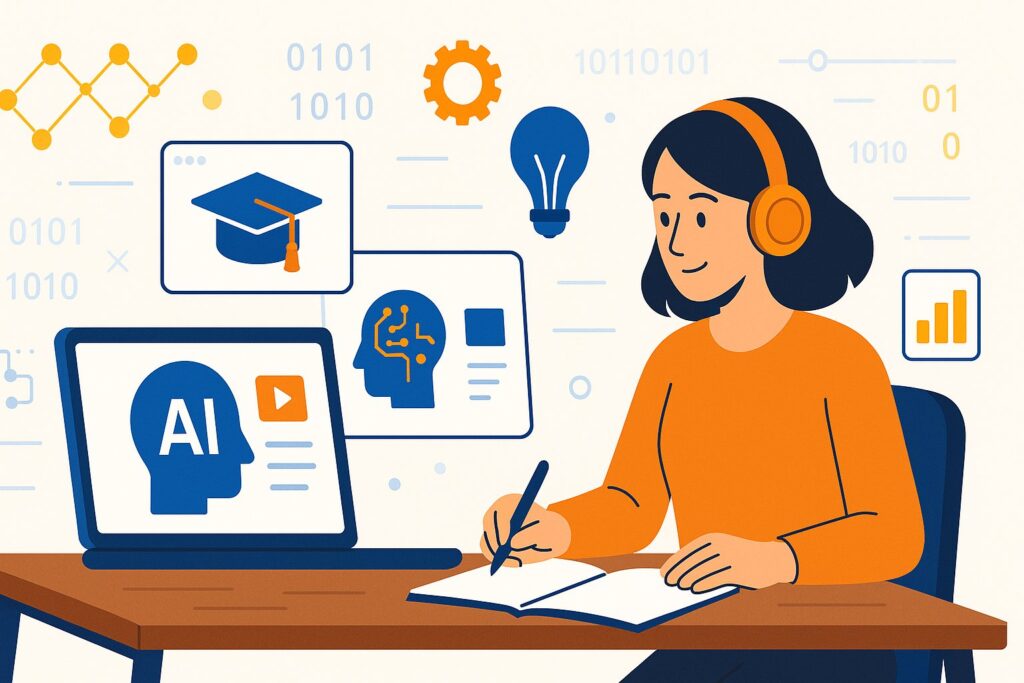
Discover the truth about AI vs human writers, how it impacts blogs, and why quality, human storytelling still matters for SEO and engagement.
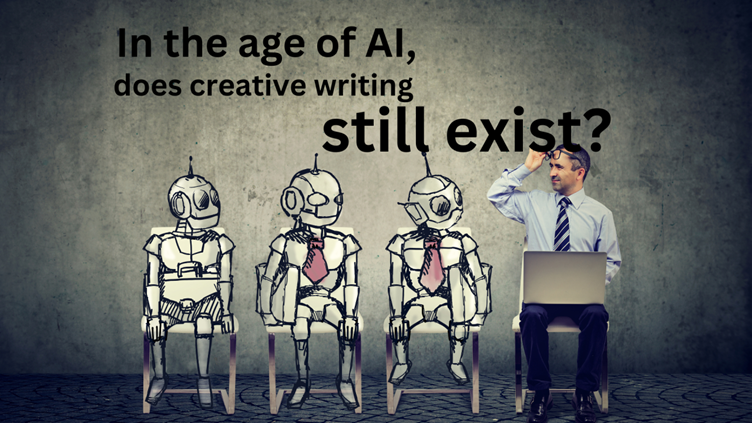
The question on every writer’s mind right now is simple: Will AI replace content writers? With artificial intelligence tools rapidly evolving and becoming more capable, this fear is understandable. From automated blog generators to AI chatbots that write entire articles in seconds, it often feels like machines are taking over. But if we look closely at what’s happening in 2026, the truth is more complex — and actually more hopeful for writers than many think.
AI certainly influences content writing today, but it doesn’t replace the core human elements that make writing meaningful and effective.
Why the Fear Exists: AI Is Everywhere
There’s no denying that AI has transformed how we create content. Tools like ChatGPT, Claude, and others can generate text faster than a human can type. They can summarize topics, suggest keywords, and even help draft sections of a blog post in a fraction of the time it would take a writer to do it manually. Many businesses now use these tools to scale content production quickly — a trend that feels threatening to anyone who makes a living from writing.
Search and information retrieval itself is changing. Some AI systems now provide direct answers to user queries without requiring a click to your website, contributing to rising zero‑click searches where people find what they need without visiting a page. This trend makes traditional SEO models less predictable and heightens anxiety among writers who rely on organic traffic.
Despite this, AI isn’t replacing content writers — it’s reshaping the landscape in ways that demand a different skill set.
Limitations of AI: What Machines Still Can’t Do
Most AI tools are impressive, but they still lack key qualities that human writers bring to the table:
1. Emotional Intelligence and Human Experience
AI doesn’t truly feel anything. It generates content based on patterns and data — it doesn’t understand emotions, cultural contexts, or the subtle nuances of human experience. This makes AI content often feel flat or generic, especially in narratives or personal storytelling where readers connect emotionally.
Great content isn’t just about facts — it’s about context, empathy, and understanding audiences on a human level. These are areas where human writers have a natural advantage.
2. Creativity and Original Ideas
AI learns from existing data. It rarely generates truly original insights and can struggle with innovative thinking. If you’re writing content that requires fresh perspectives, expert opinion, or deep industry knowledge, AI alone won’t cut it.
Unique, creative contributions remain the domain of human writers — especially when audiences are looking for something they haven’t seen before.
3. Accuracy and Fact Verification
AI tools can sometimes confidently present incorrect information — a phenomenon often called hallucination in AI systems. They can invent facts, statistics, or sources that don’t exist unless every piece is carefully reviewed by a human.
This means the responsibility of accuracy still rests with human writers.

AI is a Tool — Not a Replacement
While AI has limitations, it also offers real benefits:
- AI can assist with research and idea generation, quickly exploring topics and summarizing vast amounts of information.
- It can help with drafting and structure planning, making it easier for writers to begin their work.
- It improves consistency and editing by offering grammar suggestions and formatting help.
In other words, AI can make writing faster and more efficient, but it cannot replace the human touch that ultimately determines whether content resonates with readers.
A smart approach in 2026 is to use AI as a collaborator, not a competitor: let AI handle the heavy lifting of research or structure, then bring in your unique voice, experience, and purpose to create something meaningful.
What Google and Search Engines Care About
One of the biggest misconceptions is that Google penalizes AI content. In reality, Google’s stance is clearer: search engines don’t care whether content is written by a human or an AI — they care about quality, relevance, and usefulness to the user.
This means:
- Content must be helpful and satisfy the search intent.
- It must demonstrate E‑E‑A‑T — Experience, Expertise, Authoritativeness, Trustworthiness.
- It should be original, accurate, and valuable.
This emphasis shifts the focus away from who wrote the content to how well the content serves its audience. Google will reward content that helps users, regardless of the writing process behind it.
The Future: New Opportunities for Writers in 2026
Rather than viewing AI as a threat, successful writers in 2026 are adapting and expanding their roles:
1. From Writers to Strategists
The future of writing isn’t just about producing words — it’s about creating results. Writers who understand audience psychology, search intent, and conversion strategy are increasingly valuable. AI can generate text, but it can’t build a content strategy that grows a business.
Data from industry trends shows that writers who offer strategic value — focusing on traffic growth, engagement, and conversions — earn more than those who simply produce basic content pieces.
2. Hybrid Roles with AI Tools
Writers who learn how to use AI tools to enhance their workflow — for research, drafting, or optimization — are able to produce more content in less time without sacrificing quality. This blend of human judgment and technological efficiency is where the future careers of content writers lie.
3. Telling Human Stories
As AI becomes widespread, authentic human stories become more valuable. Brands and audiences crave voice, emotion, and unique experiences. These are things AI cannot mimic with true authenticity — and they are core strengths of human writers.
Conclusion: AI Isn’t the End — It’s an Evolution
So, is AI a threat to content writing? The simple answer in 2026 is: Not in the way many fear.
AI will transform how content is created, optimized, and distributed — yes. But it won’t replace the writers who understand how to connect with readers, tell meaningful stories, and apply strategic insight to their work.
The real threat isn’t AI itself — it’s the fear of change. Writers who resist adapting will struggle, but those who embrace AI as a tool and focus on quality, human insight, and strategic value will thrive.
In the end, content writing is not about typing words — it’s about understanding people, connections, and ideas. That’s something AI can assist with, but it can’t replace.